

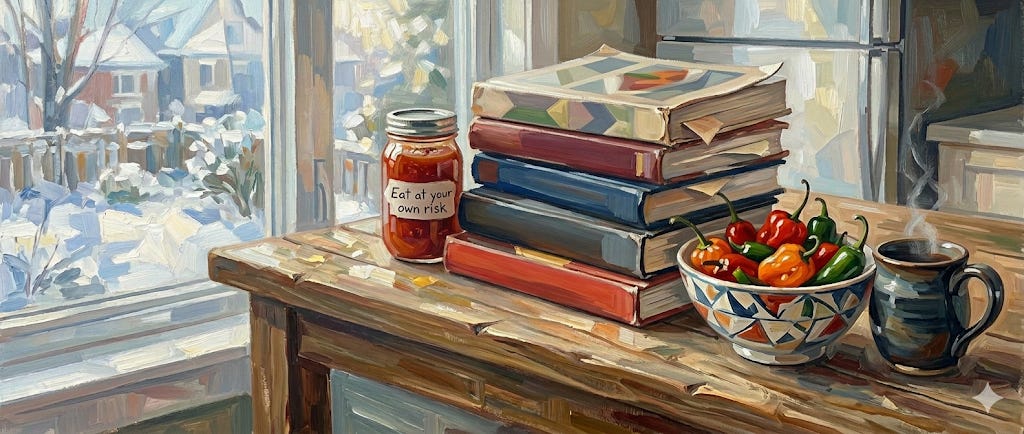
I still read my books in paperback. I tried every electronic format and can’t stand any of them. I prefer to order from Amazon or pick up at a store, place them on my bedside table, in my backpack, or other strategically placed locations, and pick them up when I’m ready to read. The convenience and weight arguments of the electronic form don’t work on me. I don’t travel with them if they’re more than 500 pages long, and my shoulder can still handle 3 ounces of extra weight.
Cookbooks fall squarely into that category — not only are the good ones fun to read, they are also aesthetically pleasing and contain at least 50% pictures, flipping through them still gives you a satisfying visual eye dump of inspiration that’s less of an affront to your senses than trying to find the recipe on YouTube.
Here are my favorites from across the years
Falastin
by Sami Tamimi & Tara Wigley
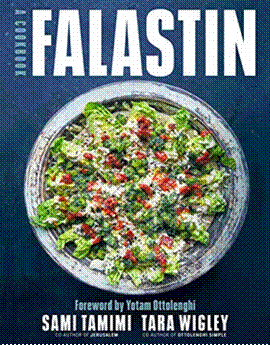
I found myself flipping through this while I stared out the snow-drenched window of my brother’s Canadian living room. It is Eid after all, and I’ve made my now-annual pilgrimage to the nation’s capital, to be with family and celebrate with lots of food.
This one is written by a Palestinian chef who intimately knows the lands, and whose claim to fame comes from working in and starting a couple of his own restaurants. He previously partnered with Yotam Ottolenghi to write and cook the many recipes of the conflict-laden geography in his first book titled Jerusalem.
In addition to the vast array of recipes and easy to follow instructions, the book is wrought with historical artifacts about my homeland, and has a great way of bringing out relevant aspects of the ongoing conflict without making you want to hurl the book away with anger.
I’ve also just discovered that there is in fact a (kind of) annual Palestine marathon that is forced to loop around itself twice due to Israeli movement restrictions.
Running this marathon is now an elusive goal I have set to accomplish in the next 1-5 years.
Americas Test Kitchen
by the Editors of Cook’s Illustrated Magazine
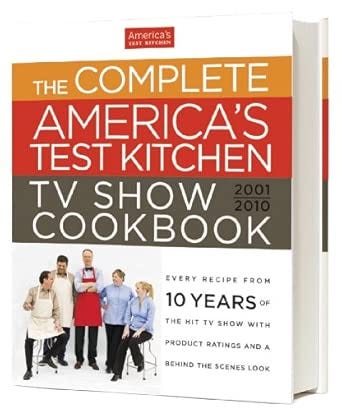
A tomb of information in all aspects. If there were a food engineering discipline, this would be its manifestation.
The book is currently on its 25th+ edition, I own the 15th, and have referred to it many times when I need a reminder of the proper way to do things and the best tools to employ. Their method is built on true experimentation mixed with trial and error, the goal is to find the most efficient form of the recipe with the appropriate effort to produce it.
There are episodes on PBS too which are fun to watch, and the bread version offshoot to their encyclopedia produced surprisingly good results during the covid lock down days.
The most surprising was the ease of creating a magnificently oversized pretzel. The hamburger buns were a close second—makes 8-14 at a time, which comes in handy when I have beef and am too lazy to go to the store to pick up some buns.
Cooking for Geeks
by Jeff Potter
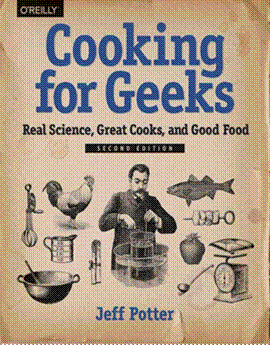
Discovered on the coffee table of a good friend during a random visit to his temporary New Orleans career pit stop. I want to say that he gifted me a copy, but I’m not exactly sure. I will definitely hear about it after he receives this post.
This book explains the science of why things happen when you cook. It’s beneficial to feed your curiosity, but also helps you stop obsessively rechecking recipes to make sure you have the temperature right, or whether a meat needs browning or not.
It was also where I discovered the beauty and simplicity of fat emulsification, and have never bought a jar of mayonnaise since.
Meat Eaters Guide to Outdoor Cooking
by Steven Rinella
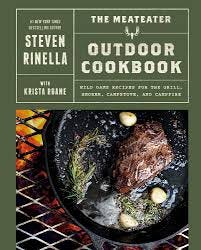
I’m neither a hunter nor an outdoorsman, and have yet to murder an animal for its meat — aside from the many unlucky live chickens I had to select for dinner on my grandma’s instructions when we visited Lebanon, for the lack of refrigeration, economical favorability, and delicious taste.
I do aspire to do these things one day.
Deer tops the list of animals to do this to, due to their abundance, and the vengeance I carry in my heart from the number of fruits and vegetables they have ruined during my growing years in California.
The author is a worthy woodsman, a skilled hunter, and a practical cook. Fire, fat, fresh protein, and salt is most of what he recommends, and it works well every time.
Red Hot Kitchen
by Diana Kuan
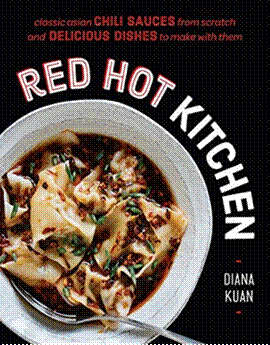
This one inspired my homemade hot sauce craze, and gave me the one thing I could grow that the damned deer won’t eat.
Since reading this, I’ve discovered the relative ease of making your own hot sauce from excess chilies, the importance of clearing at least a 50 ft radius from sensitive guests as you prepare these sauces, and criticality of wearing industrial grade gloves, and avoiding using the bathroom or touching your face for at least two hours and many deep soap cleansing sessions after any hot sauce making bouts.
It all came together with the bottling of my “Ass Burner 9000” sauce, a fiery combination of homegrown habanero, jalapenos, Thai chilis, and serranos.
Anything Anthony Bourdain
Author of Kitchen Confidential
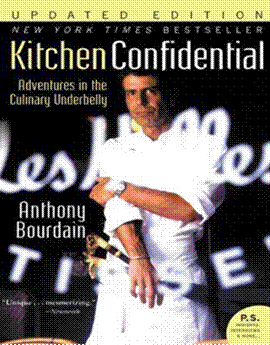
While he’s best known for Kitchen Confidential rather than his cookbooks, that book was a blast to read, and his narration style is unique and as close to a Hunter S. Thompson chef version as it gets.
His show has been an inspiration for visits to cities I’d never been to, and restaurants I would have never found.
His excessive fame converted some of these establishments to tourist traps, thanks to social media crazed influencers and influencees, but his recommendations have always been based on first principles of quality, authenticity, and audacity.
Giada De Laurentiis
Author of Everyday Italian
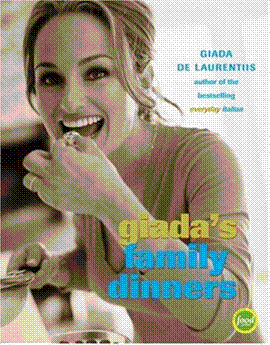
Simple methods, well described, with ingredients you likely already own.
She was one of the early Food Network chefs, back when the channel was actually about cooking and not a cesspool of reality TV competitions and excessive use of mass population ‘food critics’ — I don’t really care what the average person thinks of the food they just ate. Just tell me how it’s made and let the experts speak.
I saw her randomly once on the streets of Manhattan when she was still single and not as famous as she eventually became. I did not stop her for lack of anything useful to say. I still look up her Italian recipes.
My Mamma
Last but definitely not least, this is the source of inspiration that started it all.
I started cooking at a young age because I liked to eat, and didn’t like relying on (or overpaying) others to do something I thought I could do.
It began with watching her fry eggs, then spending a few Christmas breaks away from the dreary Montreal winters in my college years, peeking into the kitchen after sleeping in, and asking the most popular question in any Palestinian household: “What are we eating today?”
While my mom shares my impatience and lack of empathy for those who are less informed, I am still able to translate her loose instructions to actionable items that produce tangible results, a skill that comes from my engineering background, and the many years I’ve spent in large complicated organizations, where my livelihood depended on figuring out what others did for their livings, and taking that and making it my own.
This is to her, and all the other Mammas who have fed me in their homes, and never failed to share their techniques while skeptically questioning my unorthodox interpretations and stubborn substitutions.
Happy (Middle Eastern) Mother’s Day and Eid Mubarak to all.